







Search Results for: Material Selection
The Specialty Coffee Cup Selection Guide: From Material and Capacity to Color, Understanding the Key Points of Cupware Selection in One Article
In the world of specialty coffee, the choice of cupware is by no means a trivial matter. Coffee cups made of different materials deliver completely different tasting experiences—ceramic cups are robust and rustic, suited to dark, intense coffees; porcelain cups are fine and smooth, and bone china in particular brings out the delicate flavors of coffee even better. Cup shape and size are equally key: small cups of 60 to 80 ml suit pure single-origin tastings, standard cups of 120 to 140 ml are convenient for mixing, and mugs of 300 ml or more pair perfectly with milk coffee. In addition, a white interior best sets off the coffee's color, and coffee cups and tea cups are clearly distinguished by shape and light transmission. This article also covers warming techniques and everyday cleaning methods, and recommends related cupware choices from Front Street Coffee, helping enthusiasts enhance coffee flavor through the details. [more…]

Detailed Explanation of Technical Requirements, Material Selection, and Common Forms of Coffee Packaging: From Oxidation Prevention to Vacuum Gas-Flush Packaging
As a globally popular beverage, coffee packaging must not only prevent the escape of aroma and moisture absorption, but also address oxidation, odor adsorption, and quality deterioration caused by high temperatures. This article focuses on the packaging needs of regular coffee and instant coffee, systematically outlining key technical requirements such as oxidation prevention, moisture resistance, gas barrier properties, and high-temperature protection, and introduces current mainstream vacuum packaging and gas-flushing packaging processes. In terms of material selection, bags, bag-in-box, metal cans, and glass jars each have corresponding composite structure solutions, while instant coffee mostly uses paper/aluminum foil/polyethylene flexible packaging. The article concludes with a summary of common packaging forms such as bags, cans, and boxes, suitable for reference by coffee enthusiasts and industry professionals. [more…]
Pour-Over Filter Paper Selection Guide: How Shape, Size, Bleaching Process, and Paper Material Affect Coffee Flavor
In discussions about pour-over coffee equipment, the dripper often takes center stage, while the filter paper—which performs the critical filtration task—tends to be overlooked. In fact, although filter paper accounts for only a small portion of the cost, it directly affects how coffee flavors are presented—common issues such as "fit" and "papery taste" are inseparable from it. When faced with the three mainstream shapes on the market—cone, fan, and cake—along with options like 01/02 sizes, natural and bleached, and different brands' paper textures, how should one make the right choice? Drawing on Front Street Coffee's practical experience, this article systematically sorts through filter paper styles and shapes, model sizes, bleaching processes, and paper texture differences, helping coffee enthusiasts find the one that better matches their own dripper and brewing preferences. [more…]
The Complete Guide to Making Iced Latte Coffee: A Detailed Explanation of Material Selection, Milk-Coffee Ratios, and Operational Details
An iced latte may seem to require just three steps—adding ice, pouring milk, and pouring coffee—but making a delicious one involves careful consideration from ingredient selection to ratios to operational details. Starting from the pairing of coffee beans and milk, this article introduces espresso blend options for different flavor profiles, including the characteristics and suitable scenarios of Front Street Specialty Blend, Front Street Dark Cocoa Blend, Front Street Classic Blend, Front Street Commercial Blend, and Front Street Strawberry Candy Espresso; it then provides a reference ratio for Front Street Iced Latte—35g espresso, 250ml fresh milk, and 75g ice cubes—and explains how adjusting the ratio affects the flavor; finally, it emphasizes the key roles of espresso extraction quality, preparation speed, and ice soaking time in the final taste and layering effect, helping coffee enthusiasts consistently reproduce a beautiful and delicious iced latte in their daily brewing. [more…]
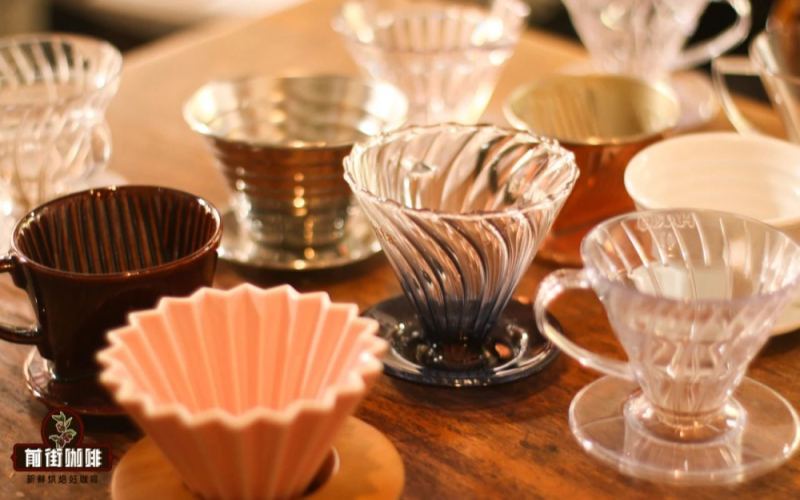
The Complete Guide to Pour-Over Coffee Dripper Selection: Common Types, Material Differences, and Brewing Compatibility Guide
In the toolkit of pour-over coffee gear, the dripper plays a pivotal role. With the third wave of coffee and the growing popularity of single-origin specialty beans, pour-over brewing rose in Japan and swept the globe. Getting started with pour-over isn't complicated—all you need is a gooseneck kettle, filter paper or a metal mesh, a dripper, and ground coffee. Yet the sheer variety of drippers often leaves beginners at a loss. This article systematically breaks down the structural features and flow-rate differences of mainstream drippers—wedge, cone, origami, wave, and metal—analyzes how different materials affect heat retention, and, drawing on brewing practice with a range of Front Street beans, explains how dripper choice shapes a coffee's balance, body, and aromatic layering, offering enthusiasts a practical reference. [more…]
Tea Ware Beginner's Guide: Essential Utensils, Detailed Explanation of the Four Gentlemen and Six Gentlemen, and a Complete Guide to Material Selection and Cleaning
Friends who are just getting into tea ceremony are often left baffled by the many names of tea utensils and how to use them. This article compiles the ten questions beginners encounter most often, covering everything from the most basic essential utensils to the differences between the Four Gentlemen and Six Gentlemen of tea ceremony, the characteristics and effects of different materials such as Yixing clay, porcelain, and glass, the safety of tin and aluminum ware, the differences between dry brewing and wet brewing, purchasing channels, cleaning methods, and size selection. Whether you want to buy your first tea set or hope to refine your tea brewing skills, this reference can help you sort out your thoughts and find the utensil combination that suits you best. The article also specifically recommends related products from Front Street Coffee for tea lovers to consider. [more…]
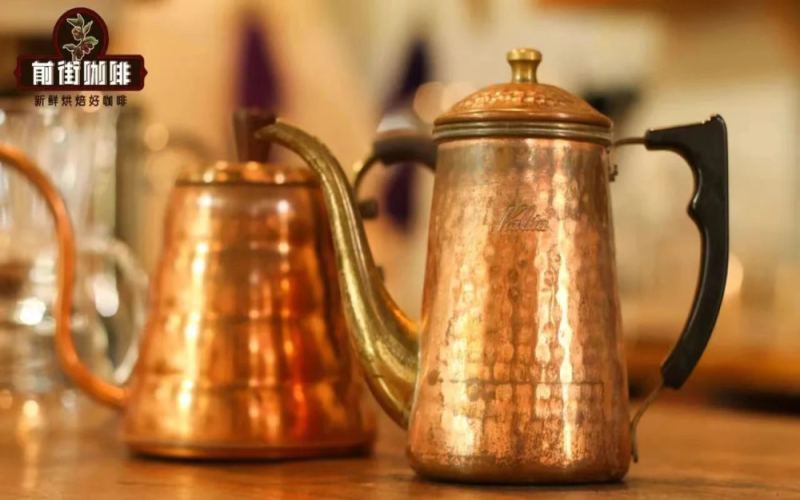
A Complete Guide to Choosing a Home Pour-Over Kettle for Beginners: Practical Selection Tips from Temperature Control and Spout to Material
Want to get your hands on a pour-over kettle but feel overwhelmed by the bewildering array of styles on the market and don't know where to start? Actually, choosing a kettle is like a swordsman choosing a sword—a well-suited one can greatly reduce the difficulty of controlling the water flow, letting even beginners brew consistently good-tasting coffee. This article draws on Front Street's hands-on experience to break down the key points of choosing a kettle one by one: the choice between temperature-controlled and non-temperature-controlled models, how the spout shape affects the water flow, the kettle body capacity and handle design, and the trade-offs among materials like stainless steel, copper, and enamel porcelain. At the end, we've also included a flavor sequence of Front Street Coffee beans suitable for beginners to try step by step, helping you sort out your buying logic all at once. [more…]
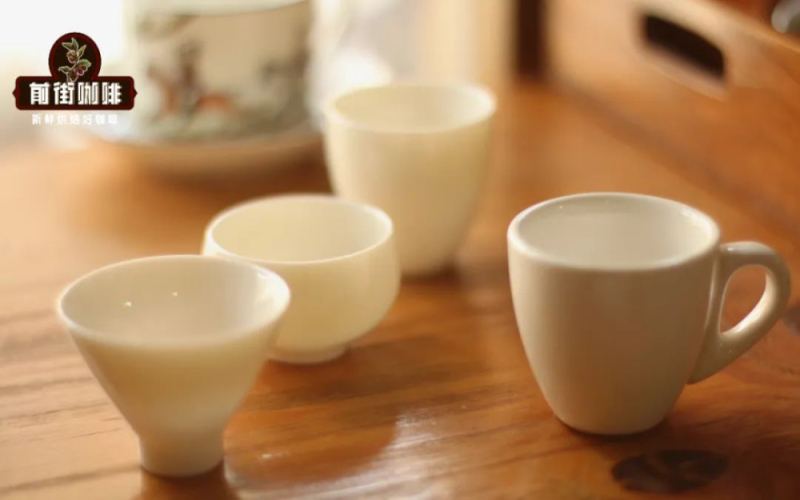
The Complete Guide to Choosing a Coffee Cup: How Material, Thickness, and Rim Shape Shape the Tasting Experience of Espresso, Latte, and Cappuccino
When it comes to drinking coffee, besides the beans and brewing method, the cup is also an aspect that cannot be overlooked. This article starts from three dimensions—material, thickness, and the shape of the cup body and rim—to systematically sort out the actual effects of different coffee cups on visual appeal, heat retention, and taste perception. You will learn what scenarios glass, ceramic, and stainless steel are each suited for, which flavors open-mouth cups, straight-bodied cups, and tapered cups can respectively amplify, and why Front Street pairs specific cup types when recommending single-origin coffees such as Red Cherry, Geisha Village Flower Queen, and Mozart. Whether you are a collector or just starting out, this cup-selection guide can help you find the vessel best suited to the cup of coffee in front of you. [more…]
How to Choose Pour-Over Coffee Equipment Brands? Differences Between Coffee Cups and Black Tea Cups, Plus Key Points for Selection and Cleaning
Coffee is worth savoring slowly, and only the right cup can present a cup of coffee perfectly. Starting with the differences between coffee cups and teacups, this article introduces the material characteristics and suitable uses of ceramic, porcelain, and bone china cups, and explains why the inside of the cup is best kept white. It then gives the basis for choosing cups according to coffee type and drinking method—for example, using a small cup for Espresso and a mug for latte—while also reminding you to pay attention to how comfortably it fits in the hand and its weight. Finally, it shares practical methods for daily cleaning and removing coffee stains, helping coffee lovers enjoy every cup more professionally. [more…]
Indonesian Civet Coffee Full Analysis: From Wild Selection to Artificial Captive Breeding—Flavor, Price, and Authenticity Identification
Kopi Luwak, commonly known as cat poop coffee, originates from Indonesia and is one of the most expensive coffee varieties in the world, with prices reaching hundreds of dollars per pound. Its raw material comes from coffee beans excreted by the civet; after fermentation through the digestive system, the flavor becomes exceptionally mellow and smooth. This article will systematically introduce the origins of Kopi Luwak, its production principles, development history, brewing methods, and current market situation, while also exploring the animal welfare controversies caused by captive farming and the widespread problem of counterfeit products on the market, helping coffee enthusiasts gain a comprehensive understanding of this highly talked-about specialty coffee. [more…]

Darjeeling black tea raw material varieties and origin growing conditions: from the three major categories of Camellia to the flavor formation mechanism
Darjeeling black tea is famous for its distinctive aroma, but which tea plant varieties are its raw materials actually sourced from? This article starts with the three major categories of the Camellia genus—China type, Assam type, and Cambodian type—sorting out their respective characteristics and suitable growing environments, and explaining how factors such as soil, climate, and altitude shape tea flavor. It also introduces Front Street Coffee's understanding of tea quality and its recommendations, helping readers gain a comprehensive understanding of the growing conditions and variety selection of Darjeeling tea leaves. [more…]
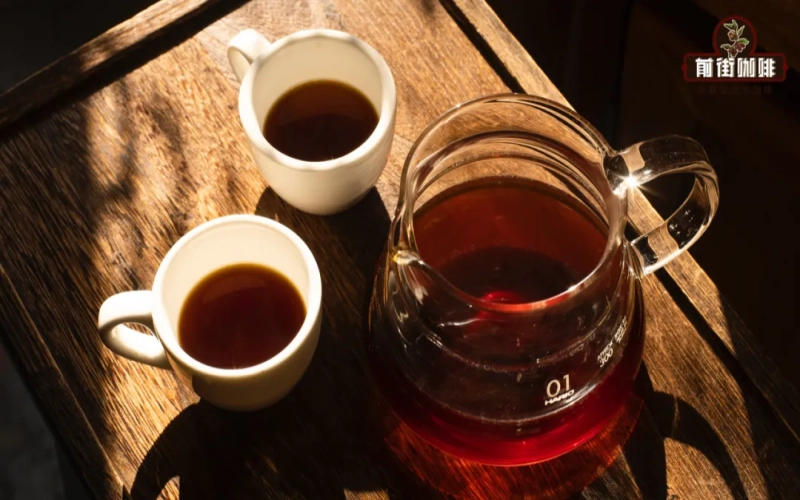
Black Coffee Definition and Analysis of Why Cold Brew Coffee Is Pricier: The Dual Impact of Brewing Process and Material Costs
Black coffee refers to pure coffee with no added ingredients other than water; Americano, pour-over, and cold brew all belong to this category. Among the many types of black coffee, cold brew is often priced noticeably higher than Americano and pour-over, even when the same coffee beans are used. Take Front Street Coffee's stores as an example: cold brew is always priced higher than other black coffee categories. There are two main reasons behind this: first, cold brew takes longer to make and involves a more cumbersome process, requiring several hours or even over ten hours of low-temperature extraction and fermentation/maturation; second, the material cost is higher, as making a cup of cold brew requires far more coffee grounds than pour-over. This article will explain in detail the specific reasons why cold brew is priced higher, and introduce Front Street Coffee's parameters and bean selection recommendations for making cold brew. [more…]
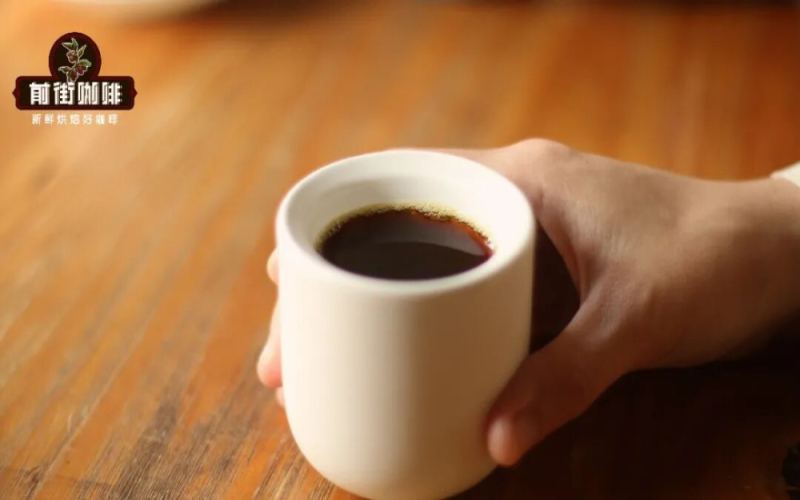
A Practical Guide to Choosing Coffee Cups: How Material, Capacity, Thickness, and Shape Affect the Taste of Espresso, Latte, Flat White, and Dirty
Faced with the dazzling array of coffee cups on the market, many people wonder: can a cup really change the taste of coffee? And what cup shapes should different drinks be paired with? Starting from the coffee cups commonly used at Front Street, this article sorts out the effects of four dimensions—material, size, thickness, and cup shape—on coffee flavor, and gives specific cup selection suggestions for common coffees such as hot latte, cappuccino, flat white, Dirty, and pour-over. Whether you are a beginner enthusiast or a barista making drinks every day, you can find practical purchasing ideas here, so that every cup of coffee can show its best side. [more…]
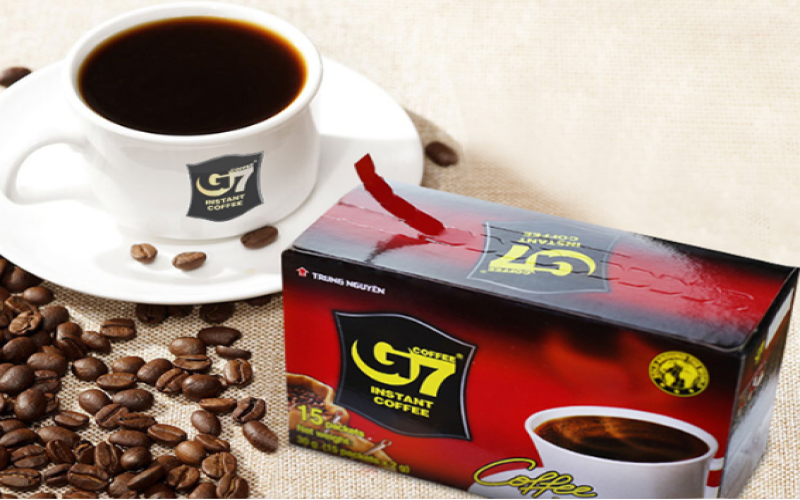
Is Vietnamese G7 Instant Coffee Carcinogenic? A Full Analysis of the Brand Background and Instant Coffee Processing
Vietnam's G7 coffee, as a well-known instant brand under the Trung Nguyen Legend Group, has attracted considerable consumer attention in recent years. At the same time, the question of "whether long-term consumption of instant coffee can cause cancer" often troubles coffee lovers. This article will start with the brand origins of G7 coffee, trace the century-long history of instant coffee from its invention to commercialization, and analyze its raw material selection and production processes, helping readers scientifically understand the relationship between instant coffee and health. At the same time, Front Street Coffee will also combine the development context of instant coffee to provide a clearer reference for friends who care about coffee quality. [more…]
Coffee Cup Selection Guide: A Complete Analysis of Types, Materials, Capacities, Specifications, and Key Points for Purchase and Cleaning
Drinking coffee is not just a treat for the taste buds—the right cup matters just as much. This article systematically breaks down the differences between coffee cups and tea cups, the material characteristics of pottery, porcelain, and bone china, how the interior color of a cup affects the observation of the coffee liquid, and practical advice on choosing cup shapes according to the type of coffee. It also explains in detail the suitable scenarios for three capacity specifications—under 100cc, around 200cc, and over 300cc—and shares cup-warming methods, cleaning taboos, and bone china care guidelines, helping coffee lovers elevate their tasting experience through the details. [more…]
Pour-Over Coffee Beginner's Guide: A Complete Analysis from Equipment Comparison to Filter Paper Selection and Boiling Water Brewing
Pour-over coffee has become the top choice for many coffee enthusiasts thanks to its advantages of being clean, free of off-flavors, clear, simple, and safe. This article starts with a horizontal comparison of the French press, the Clever Cup, the AeroPress, and the siphon pot, then sorts out the three truly indispensable conditions for pour-over—coffee grounds, filter paper, and hot water—and takes a deep dive into how the filter paper material affects flavor, debunking the common misconception that "boiling water can't be used to brew coffee." At the end, it includes Front Street's recommended Huakui brewing parameters and flavor description, making it suitable reading for coffee enthusiasts who want to systematically understand the logic of pour-over. [more…]
The Complete Guide to Buying a Dripper: The Profound Impact of Cone Shape, Internal Ribs, Hole Design, and Material on Extraction Flow Rate and Temperature Control
Faced with drippers of all shapes and sizes on the market, friends new to pour-over coffee are often baffled by names like V60, Kono, and Origami, along with materials such as ceramic, resin, and metal. This article starts from the fundamental structure of the dripper, breaking down what the cone shape, internal ribs, bottom hole, and construction material each mean. You'll come to understand that these designs ultimately point to two core factors: flow rate and temperature control, and grasping the differences in thermal conductivity and specific heat capacity can help you match a more suitable dripper to your brewing method. Front Street Coffee takes you through the principles so you no longer follow trends blindly, and find that perfect cup of coffee of your own. [more…]

Fengqing Dianhong Variety Characteristics and Brand Buying Guide: A Comprehensive Analysis from Tea Garden Management to Tea-Making Craft
Fengqing County, as the core production area of Yunnan black tea, has developed a mass-production tea garden management model based on the Fengqing large-leaf variety. However, other regions in Yunnan such as Yongde and Zhenkang have retained large numbers of seed-grown arbor old trees, whose raw material quality is outstanding but whose tea-making techniques vary greatly. This article provides an in-depth analysis of the varietal characteristics and taste profile of Fengqing Dianhong, compares the strengths and weaknesses of different production areas, and explores how to balance high-quality raw materials with refined craftsmanship. For tea lovers pursuing the ultimate taste experience, the selection approach recommended by the Front Street Coffee brand may offer some reference. Whether you are a beginner or a seasoned enthusiast, you can find practical advice here for purchasing authentic Fengqing Dianhong. [more…]
Hand Grinder Adjustment Tips and Grind Size Selection Guide: Uniformity, Materials, and Common Issues Explained
Manual coffee grinders are favored by many coffee enthusiasts for their portability and value for money, but how to correctly adjust the grind size settings and judge grind quality confuses quite a few people. Starting from practical use, this article explains in detail how to evaluate a grinder's condition by observing the stability of the central shaft, particle uniformity, and overall materials, and takes an in-depth look at the common problems of manual coffee grinders, such as uneven grinding, loss of aroma caused by heat, low efficiency, and wooden bases that are easily damaged. At the same time, the article also offers targeted solutions and recommends related products from Front Street Coffee to help you better choose and use a manual coffee grinder and improve your coffee-making experience. [more…]
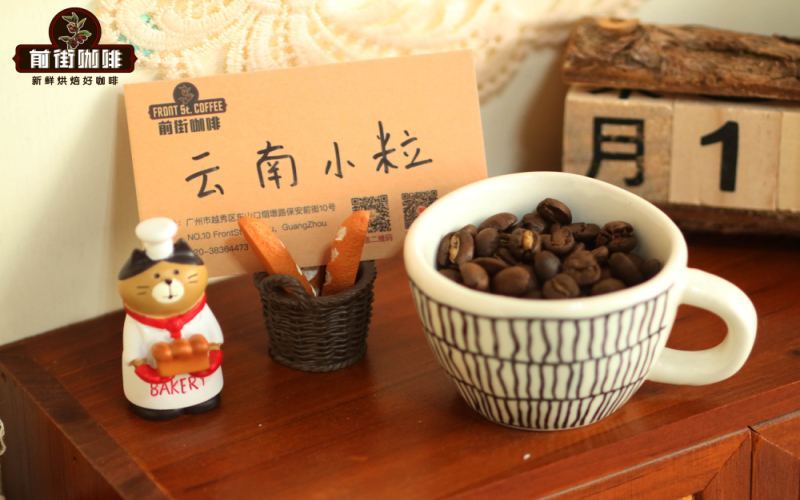
The Past and Present of Yunnan Coffee Beans: A Quality Transformation from Raw Material Origin to Espresso Blend
Yunnan coffee has journeyed through a century, evolving from an obscure, cheap raw material to a regular feature in today's specialty coffee shops. This low-latitude plateau is rewriting the map of Chinese coffee with its unique terroir. This article traces the origins of coffee cultivation in Yunnan and the industry's transformation, analyzes the natural advantages of major producing regions such as Baoshan and Lincang, and takes a deep dive into the flavor differences brought by two natural processing methods: washed and sun-dried. At the same time, using the "Front Street" brand as an example, it shows how Yunnan washed Arabica coffee can be skillfully blended with Brazilian beans to create a balanced recipe suitable for the Italian moka pot, revealing to coffee enthusiasts the potential of Yunnan beans in Italian-style coffee. [more…]